Join our mailing list

Please join our mailing list and we’ll send you a code for 20% off of your next order. Don’t worry - we value your privacy and won’t abuse your inbox. Ciao!

.

The Bedding Terms Every Buyer Should Know

MAURIZIO BUSSOLARI

Shopping for bedding should be simple, but it often feels like learning a new language. Thread count, percale, sateen, long-staple cotton, duvet cover, matelassé. The terminology can quickly become overwhelming, especially when every product description seems to use a different set of terms.

Understanding a few key bedding terms makes it much easier to compare products and choose linens that fit the way you actually sleep. It also helps you look beyond marketing language and focus on what really affects comfort, quality, and longevity.

Here are some of the most common bedding terms you’ll encounter and what they actually mean.

Thread Count

Thread count refers to the number of threads woven into one square inch of fabric, including both the vertical threads, called the warp, and the horizontal threads, called the weft.

It’s one of the most familiar bedding terms, but also one of the most misunderstood. A higher thread count does not automatically mean a better sheet. The quality of the cotton, the construction of the yarn, the weave, and the finishing process all have a much bigger impact on how sheets feel and how long they last.

A well-made sheet with a moderate thread count can often feel smoother, lighter, and more breathable than a very high thread count sheet made from lower-quality fibers. Thread count matters, but only when it’s considered alongside everything else.

Percale

Percale refers to a weave, not a type of cotton.

It is made with a simple one-over, one-under pattern that creates a crisp, breathable fabric with a matte finish. Percale is known for feeling cool, clean, and fresh against the skin, which is why many people compare it to a freshly pressed cotton shirt.

This weave is especially popular with people who sleep warm or prefer bedding that feels light and structured. It also softens beautifully with washing while keeping its crisp character, which makes it a timeless choice for everyday bedding.

Sateen

Sateen is also a weave, but it creates a very different feeling from percale.

Sateen is woven so that more thread sits on the surface of the fabric. This gives it a smoother hand, a softer drape, and a subtle sheen. It tends to feel silkier and slightly warmer than percale, which makes it appealing for people who like bedding that feels more enveloping.

If percale feels crisp and tailored, sateen feels smooth and fluid. Neither is better. They simply offer different experiences.

Long-Staple Cotton

The word “staple” refers to the length of the cotton fiber.

Long-staple cotton has longer fibers that can be spun into finer, stronger yarns. This helps create fabrics that feel smoother against the skin, resist pilling, and hold their quality over time.

This is one of the most important terms to understand when shopping for fine bedding. Two sheets can have the same thread count and the same weave, but if one is made from better cotton, it will usually feel better and last longer.

Breathability

Breathability refers to how easily air can move through a fabric.

Breathable bedding helps release heat and moisture instead of trapping them under the sheets. This is especially important for warm sleepers, humid climates, or anyone who prefers a cooler sleep environment.

Weave, cotton quality, yarn construction, and fabric weight all affect breathability. Percale is often chosen for warmer weather because of its airy structure, while sateen may feel a little warmer because of its smoother, denser surface.

Duvet and Duvet Cover

A duvet is the insert that provides warmth. It is usually filled with down, feathers, or an alternative fill.

A duvet cover is the removable fabric cover that protects the duvet. It works much like a pillowcase, making the duvet easier to keep clean and allowing you to change the look of your bed without replacing the insert.

Duvet covers are especially useful because they can be washed more often than the duvet itself. They also help define the mood of the bedroom, since they are one of the most visible layers on the bed.

Sham

A sham is a decorative pillow cover used to give the bed a more finished look.

Unlike the pillowcase you sleep on, a sham is usually placed in front of or behind sleeping pillows and removed before bed. Shams are often made to coordinate with the duvet cover, coverlet, or bedding collection.

They are not essential, but they can make a bed feel more complete without adding too many extra pieces.

Coverlet

A coverlet is a lightweight bed covering that sits on top of the sheets or over a duvet for an added layer.

It is thinner than a comforter and usually more structured than a blanket. Coverlets are useful year-round because they add texture without too much warmth. In summer, they can be used on their own. In cooler months, they can be layered for extra comfort.

A good coverlet can make a bed feel finished without making it feel heavy.

Matelassé

Matelassé is a weaving technique that creates the appearance of quilting without added filling.

The fabric has a textured, slightly raised surface that adds dimension to the bed. Matelassé coverlets are often used as a lightweight top layer because they bring visual interest while still feeling clean and tailored.

It’s a subtle way to add texture without relying on pattern or heavy styling.

OEKO-TEX® Certification

OEKO-TEX® Standard 100 is a certification that indicates a textile has been tested for harmful substances and meets established safety standards.

For bedding, this matters because sheets and pillowcases sit against your skin for hours every night. OEKO-TEX® certification provides reassurance that the fabric has been independently tested and is safe for everyday use.

It’s a small label, but it reflects a larger commitment to responsible textile production.

Why These Terms Matter

The more you understand about bedding, the easier it becomes to choose based on comfort rather than confusion. Some people prioritize breathability. Others care most about softness, texture, warmth, or durability. Knowing the difference between terms like percale, sateen, thread count, and long-staple cotton helps you make a better decision.

At Bellino, we believe choosing linens should feel enjoyable, not overwhelming. Once you understand the language behind bedding, you can focus less on marketing claims and more on the way you want your bed to feel.

Because the best bedding is not about knowing every term. It’s about knowing which details matter for the way you sleep, live, and rest.

What Makes Bedding Feel Breathable?

MAURIZIO BUSSOLARI

When people describe a set of sheets as "cool" or "comfortable," they're often talking about breathability, even if they don't use that word.

Breathable bedding helps your body stay comfortable throughout the night by allowing air to circulate and moisture to escape. Instead of trapping heat, it works with your body's natural temperature, which is why some sheets feel fresh and cool while others can feel warm or heavy.

So what actually makes bedding breathable?

It Starts With the Weave

One of the biggest factors is the way the fabric is woven.

Percale, for example, is woven in a simple one-over, one-under pattern that creates a crisp, lightweight fabric with plenty of space for air to move through. That is one reason percale is often chosen by people who sleep warm or live in warmer climates.

Sateen has a different weave that creates a smoother, silkier surface with a softer drape. While it remains breathable, it tends to feel slightly warmer because more of the yarn sits on the surface of the fabric.

Neither weave is better than the other. They simply create different sleep experiences.

The Cotton Matters Too

Breathability isn't only about weave. The quality of the cotton plays an important role as well.

Long-staple cotton produces smoother, finer yarns that create fabrics which feel lighter and more comfortable against the skin. High-quality cotton also helps wick away moisture more effectively, making the bed feel fresher throughout the night.

This is one reason two sets of cotton sheets can feel completely different, even if they appear similar at first glance.

More Isn't Always Better

It's easy to assume that thicker sheets or higher thread counts automatically mean better quality, but that's not always the case.

Very dense fabrics can reduce airflow, especially if the construction prioritizes thread count over comfort. A thoughtfully woven fabric made from quality cotton often feels lighter, cooler, and more pleasant to sleep in than one that's simply heavier.

Comfort comes from balance, not excess.

Your Environment Makes a Difference

The bedding that feels perfect in January may not be the bedding you reach for in July.

Warmer temperatures and humid climates often make breathable fabrics feel even more important. Many people naturally gravitate toward lighter bedding during spring and summer because it helps create a cooler, more comfortable place to sleep.

Choosing bedding with the season in mind can make a noticeable difference without changing anything else in the room.

Breathability Is About Better Sleep

Comfort isn't just about softness. It's also about how your bedding responds throughout the night.

Sheets that allow heat and moisture to escape are less likely to feel heavy or cling to the body. Instead, they create a sleep environment that feels fresh from the moment you get into bed until the moment you wake up.

Sometimes the best bedding is the kind you hardly notice because you're simply comfortable.

Choosing Breathable Bedding

At Bellino, our bedding is crafted from 100 percent long-staple cotton and designed with comfort in mind. Whether you prefer the crisp, airy feel of percale or the smooth finish of sateen, quality materials and thoughtful craftsmanship help create bedding that feels comfortable season after season.

Because when bedding can breathe, you can rest a little easier.

Why Summer Is the Best Time to Rethink Your Bedding

MAURIZIO BUSSOLARI

Most of us don't think much about our bedding until we're uncomfortable. Then summer arrives, the nights get warmer, and suddenly the sheets that felt perfectly fine a few months ago feel completely different.

It's one of the reasons summer is actually the best time to take a closer look at what's on your bed.

Unlike furniture or paint colors, bedding directly affects how you feel every night. When temperatures rise, the differences between fabrics, weaves, and layers become much more noticeable. What worked in January might not be what helps you sleep comfortably in July.

Warm Weather Reveals Everything

During cooler months, heavier bedding can feel cozy. In summer, those same layers can feel restrictive.

The extra warmth makes you more aware of whether your sheets breathe well, whether your duvet feels too heavy, or whether your bedding is helping you stay comfortable or trapping heat.

Summer has a way of exposing the small details that often go unnoticed during the rest of the year.

Not All Cotton Feels the Same

Many people assume cotton is cotton, but the way fabric is woven has a significant impact on how it feels in warmer weather.

Percale, for example, is known for its crisp, breathable feel and its ability to stay cool against the skin. Sateen offers a smoother, silkier feel with a slightly warmer drape.

Neither is better than the other, but summer tends to make those differences much easier to appreciate.

Sometimes the Best Upgrade Is Simpler Than You Think

When people think about refreshing a bedroom, they often focus on furniture, paint, or décor. Bedding is usually one of the last things they consider, despite being one of the most used elements in the room.

A lighter sheet set, a breathable weave, or simply removing unnecessary layers can completely change how the room feels at night.

It's a small change that often has a larger impact than expected.

Summer Naturally Calls for a Reset

There's something about summer that makes people want to simplify. Closets get lighter, routines become more relaxed, and homes often follow the same pattern.

The bedroom is no exception.

Just as we swap heavy sweaters for lighter clothing, it makes sense to adjust the layers we sleep under. The goal isn't to redesign the room. It's simply to make it feel more comfortable for the season you're actually in.

Better Sleep Starts With Comfort

We often talk about bedding in terms of appearance, but comfort is really the reason it matters. The right sheets help regulate temperature, feel pleasant against the skin, and make it easier to settle in at the end of the day.

When the weather is warm, those qualities become even more important.

A bed that feels cool, breathable, and inviting can make a noticeable difference in how well you rest.

A Good Time to Revisit What You Love

Summer is also an opportunity to think about what you actually enjoy sleeping in. Some people discover they prefer crisp percale once temperatures rise. Others realize they sleep best with fewer layers than they thought.

The season naturally encourages you to pay attention to comfort rather than habit.

At Bellino, we believe bedding should evolve with the way you live. The sheets you reach for in summer may not be the same ones you love in winter, and that's part of creating a home that feels comfortable year-round.

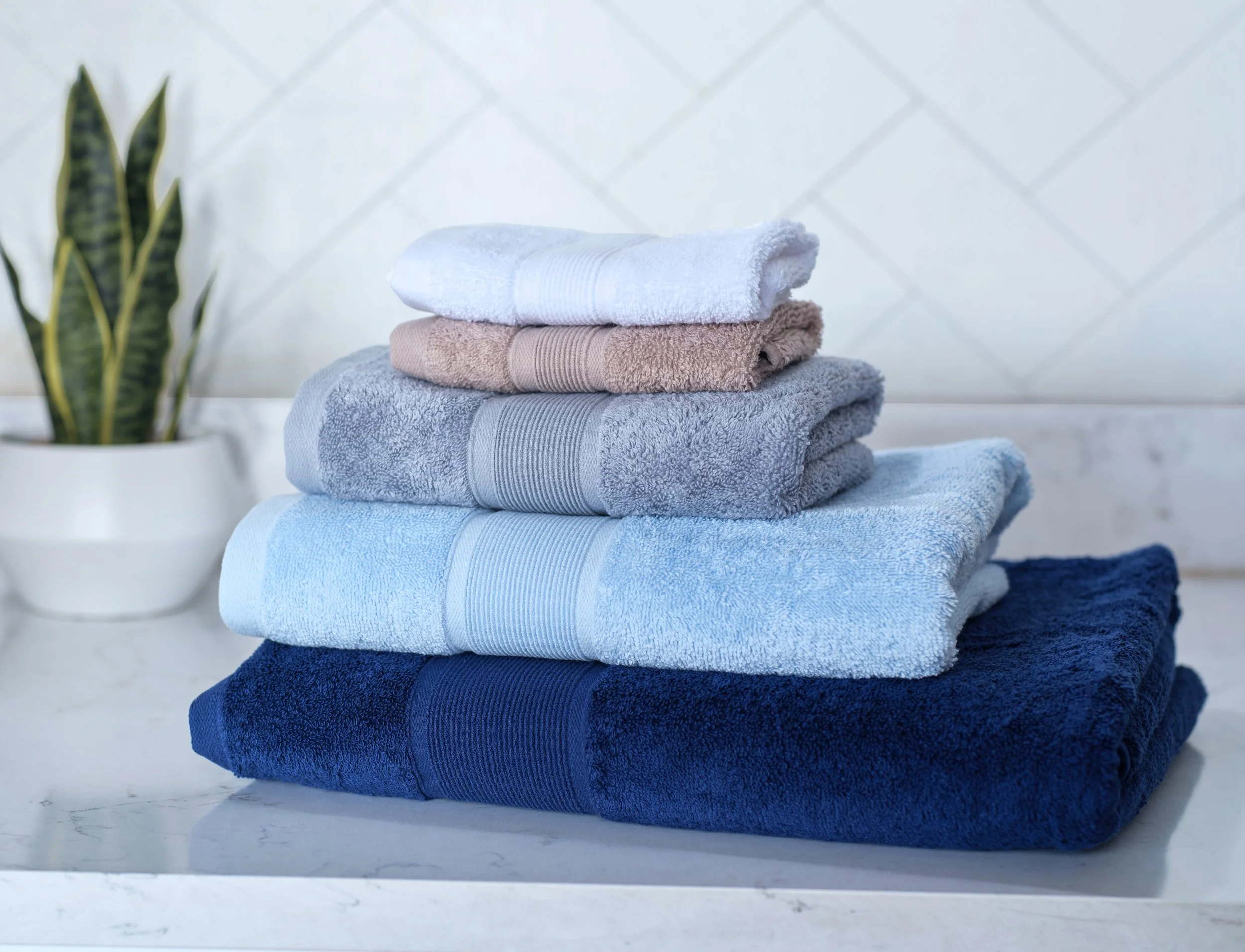
How to Choose the Right Bath Towels

MAURIZIO BUSSOLARI

Bath towels are one of those things you use every day, yet most people don’t spend much time thinking about them until it’s time to replace them. Then suddenly you’re faced with dozens of options that all claim to be soft, plush, absorbent, and luxurious.

The truth is, the best towel isn’t necessarily the thickest one or the most expensive one. It’s the towel that feels right for the way you live, the bathroom you use it in, and the kind of comfort you want after a bath or shower.

Understanding a few key differences can make choosing bath towels much easier.

Think About Weight

Towel weight is usually measured in GSM, which stands for grams per square meter. A lower GSM towel feels lighter and dries faster, while a higher GSM towel feels thicker, plusher, and more spa-like.

As a general guide, towels around 400 to 500 GSM tend to feel lighter and more practical for everyday use. Towels around 600 to 800 GSM usually feel more substantial and luxurious, though they may take longer to dry.

Neither is automatically better. If your bathroom is humid or your towels are used often, a medium-weight towel may be the smarter choice. If you want that enveloping, hotel-style feeling, a heavier towel or bath sheet may feel more indulgent.

Consider Absorbency, Not Just Softness

Softness matters, but absorbency is what makes a towel work well. A towel should dry you efficiently without becoming heavy and saturated too quickly.

Quality cotton fibers naturally absorb moisture while still feeling comfortable against the skin. The best towels balance softness, absorbency, and drying time, rather than focusing on plushness alone.

This is also why fabric softener can be misleading. It may make towels feel smoother at first, but over time it coats the fibers and can reduce absorbency.

Choose the Right Size

Size changes the experience more than people expect.

A standard bath towel is easy to handle, dries relatively quickly, and works well for everyday use. A bath sheet is larger, offers more coverage, and feels more luxurious when you wrap yourself in it after a shower or bath.

For guest bathrooms, a mix of both can be useful. Standard towels are practical, while one or two bath sheets add that extra sense of comfort.

Match the Towel to the Bathroom

Not every bathroom needs the same kind of towel.

For a busy family bathroom, medium-weight towels are often best because they wash well, dry faster, and hold up to frequent use. For a guest bathroom, plush white towels create a clean, hotel-like feeling. For humid bathrooms, lighter towels may be more practical because they dry more easily between uses.

The right towel should fit your routine, not just your shelf.

Pay Attention to Cotton Quality

Not all cotton towels feel the same. The quality of the fibers affects softness, absorbency, and how well the towel holds up after repeated washing.

Better cotton generally produces a smoother, more durable towel that continues to perform well over time. This is often what separates towels that feel good when they are new from towels that remain enjoyable to use years later.

White Towels Are Timeless for a Reason

There is a reason luxury hotels and spas often choose white towels. They feel fresh, timeless, and easy to coordinate with almost any bathroom.

White also gives a clear sense of cleanliness, which contributes to that feeling of comfort and care. While color is always personal, white towels remain a classic because they work in almost every setting.

Think Beyond the First Wash

Many towels feel soft when they are brand new. The better question is how they will feel after months of washing and regular use.

A quality towel should maintain its absorbency, softness, and structure over time. With proper care, it should become part of your daily routine without losing the comfort that made you choose it in the first place.

Choosing Towels You’ll Enjoy Every Day

At the end of the day, the right bath towel is the one you look forward to reaching for.

At Bellino, we believe bath linens should combine comfort, absorbency, and lasting quality. A well-made towel becomes part of your routine in a quiet but noticeable way, improving one of the simplest moments of the day.

How to Turn Your Bath Routine Into a Daily Reset

MAURIZIO BUSSOLARI

A bath routine does not need to be elaborate to feel restorative. Often, the most luxurious rituals are the quietest ones. Warm water. Fresh towels. Soft light. A few minutes where nothing is asking for your attention.

The bathroom is often treated as purely practical, but with the right details, it can become one of the most calming spaces in the home. A place to begin again, even in the middle of an ordinary day.

Set the Tone First

The simplest way to make your bath routine feel more intentional is to soften the space around it. Clear the counter, dim the lights if you can, and keep only the essentials within reach.

It does not need to resemble a spa. In fact, the best spaces often feel effortless. A clean surface, a favorite soap, folded towels, and a sense of order can do more than a room full of products. The goal is not perfection, it is ease.

Choose Towels That Feel Beautiful to Use

A towel is one of the first things you reach for after a bath or shower, which means its texture matters. The right bath linen can change the entire feeling of the routine.

A well-made towel should feel soft, absorbent, and substantial without feeling heavy. It should dry beautifully, wrap comfortably, and make the simple act of stepping out of the shower feel more considered.

These are the details that separate a quick rinse from a true reset.

Keep the Ritual Simple

A daily reset works best when it is easy to return to. You do not need a long list of steps or an entire evening set aside. A warm shower, a gentle body wash, a clean towel, and a few quiet minutes afterward can be enough.

Luxury is not always about adding more. Sometimes it is about making the things you already do feel better.

When the routine is simple, it becomes repeatable. And when it becomes repeatable, it becomes part of the rhythm of the home.

Let Texture Do the Work

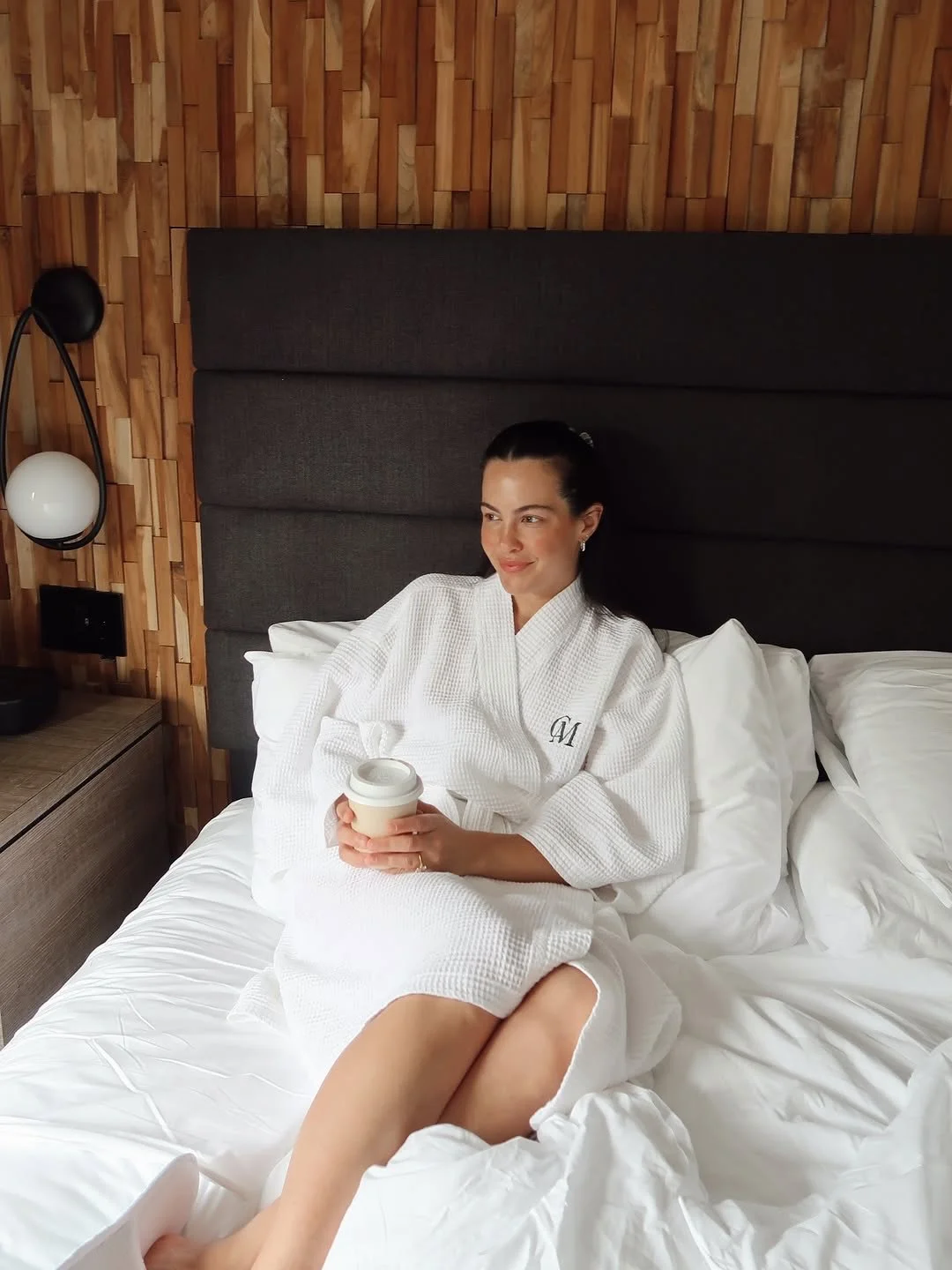
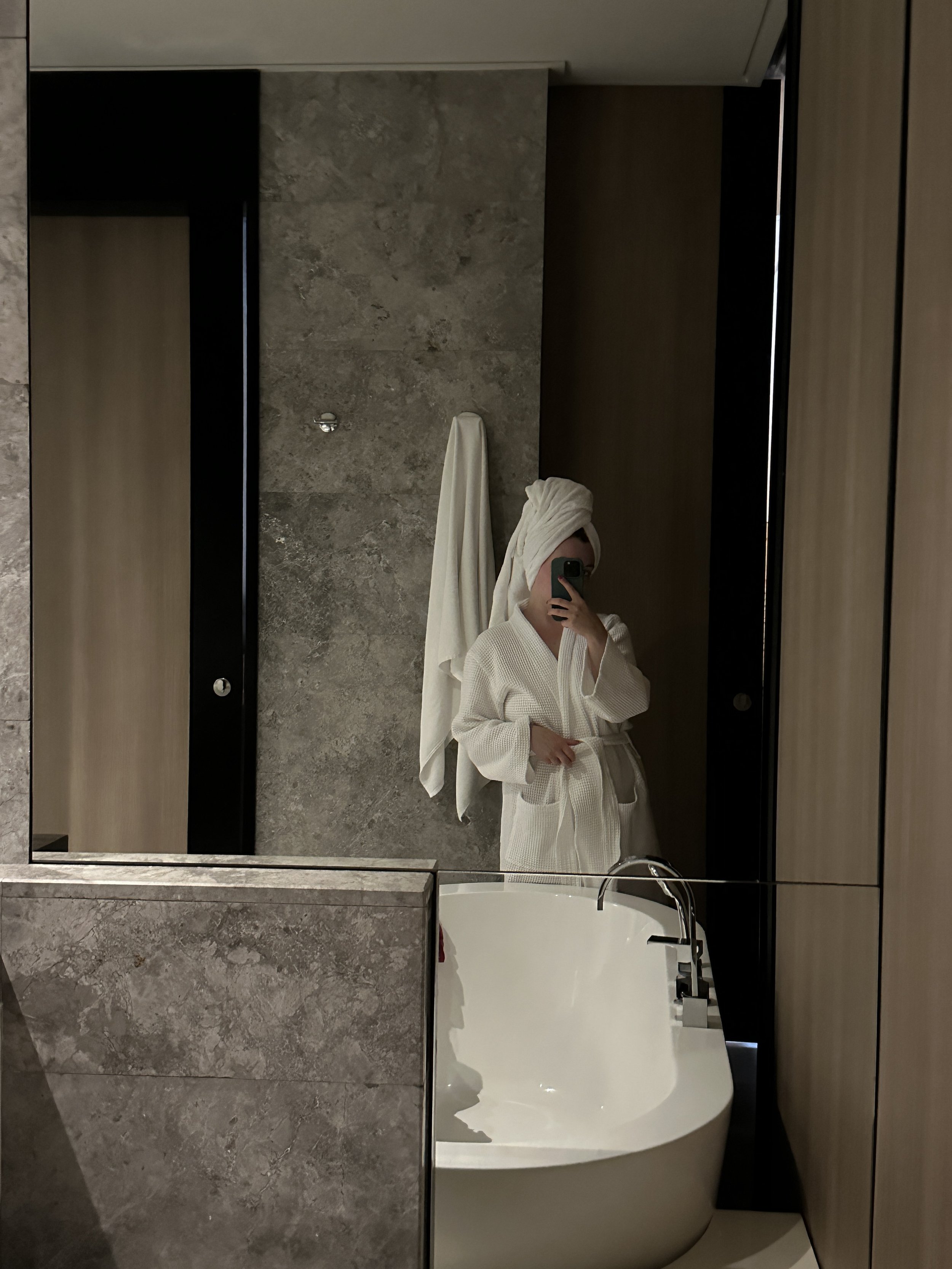
Texture has a way of making a space feel instantly more inviting. A plush towel folded within reach, a soft robe hanging nearby, a bath mat underfoot. These small details bring comfort into the room before the routine even begins.

Good bath linens make the experience feel physical and grounding. They bring you back to the present moment. The weight of a towel. The softness of cotton. The pause before getting dressed and moving on with the day.

That is often where the reset happens.

Make the Ending Feel Considered

The moments after a bath or shower deserve just as much attention as the routine itself. Instead of rushing into the next thing, give yourself a little space to transition.

Wrap yourself in a clean towel. Moisturize slowly. Open a window. Let the room stay quiet for a minute longer.

It is a small pause, but it changes the feeling of everything that follows.

Bring Hotel Calm Home

The best hotel bathrooms feel calm because every detail has been thought through. The towels are clean and ready. The space feels uncluttered. Nothing feels accidental.

At Bellino, we believe bath linens should bring that same sense of ease into everyday life. Used daily and cared for simply, they become part of the small rituals that make a home feel more comfortable, more refined, and more your own.

A daily reset does not have to be complicated. Sometimes it begins with warm water, a beautifully made towel, and a few minutes where you do not have to hurry.


How to Make Overnight Guests Feel More at Home

MAURIZIO BUSSOLARI

Having someone stay over isn’t really about having everything perfect. It’s about how the space feels when they walk in and how easy it is for them to settle without having to ask for anything.

The homes that feel the most welcoming aren’t the most styled ones. They’re the ones where small things have been thought through.

Start With a Bed That Feels Ready

The bed is the first thing your guest notices, even if they don’t say it. It should look clean, comfortable, and easy to get into after a long day.

Fresh sheets make the biggest difference here. Smooth, well-fitted bedding that doesn’t shift around gives the room a sense of care right away. You don’t need layers or extra styling. Just a bed that feels like it’s been prepared for them.

A couple of good pillows and a light extra layer, like a folded blanket at the end of the bed, usually covers everything they might need.

Keep Things Simple and Clear

Guests shouldn’t have to figure things out. A clear space to put their bag, a spot for their clothes, and an empty surface or two go a long way.

Even small things like leaving a bit of room in a drawer or clearing off a chair make the space feel intentional rather than temporary.

Think About What They’ll Reach For

The most thoughtful details are the ones your guest notices when they need something and it’s already there.

A clean towel laid out, an extra one within reach, maybe a glass of water by the bed. Nothing excessive, just the basics covered so they don’t have to ask.

It’s less about adding things and more about removing friction.

Make the Room Feel Calm

A guest room doesn’t need a lot of decoration. In fact, it usually feels better when it’s a little quieter.

Neutral bedding, soft lighting, and a space that isn’t crowded make it easier for someone to relax. The goal is for the room to feel like somewhere they can unwind, not somewhere they need to adjust to.

Pay Attention to the Little Transitions

What happens when your guest wakes up or comes back to the room later matters just as much as the first impression.

A bed that still looks put together, towels that feel fresh, and a space that stays easy to use throughout their stay all contribute to that feeling of being taken care of.

Let Comfort Lead

At the end of the day, guests remember how comfortable they felt more than how the room looked.

At Bellino, we think of linens as part of that experience. Sheets that feel good, towels that are soft and absorbent, and materials that hold up over time all make a difference in ways that don’t need to be pointed out.

The Bedroom Details You Notice More Than You Think

MAURIZIO BUSSOLARI

You don’t always walk into a bedroom and think about why it feels good. You just notice it. The bed looks inviting, the room feels calm, and everything seems to sit the way it should. It’s rarely one big thing doing the work. It’s the smaller details that add up.

Most of them are easy to miss, but once they’re right, you feel the difference immediately.

The Way the Sheets Sit

It’s one of the first things you notice without realizing it. Sheets that lie smoothly, without pulling or bunching, make the whole bed feel more put together.

Good sheets tend to stay in place. They don’t twist overnight or shift constantly, and when you make the bed, they fall back into place without much effort. That small bit of ease changes how the bed feels every time you use it.

How the Fabric Feels Against Your Skin

Texture is one of those details you register instantly. Crisp cotton feels clean and cool. Softer weaves feel warmer and more relaxed. You might not think about it directly, but your body does. If the fabric feels right, you settle in faster. If it doesn’t, you notice that too.

That’s why the quality of the cotton and the way it’s woven matter more than most of the visible details in the room.

Pillowcases That Hold Their Shape

Pillows can change the look of a bed more than almost anything else, but it’s not about how many you have. It’s about how they sit.

Pillowcases that keep their structure, don’t wrinkle excessively, and don’t feel limp by the end of the day make the bed feel more consistent. They look the same when you walk back into the room as they did when you left.

It’s a small detail, but it carries a lot of weight visually.

The Weight of the Bedding

Not heavy, just enough. Bedding that has a bit of weight to it tends to fall better and feel more comfortable. It doesn’t slide around or look unsettled. A duvet that drapes properly or a sheet that doesn’t feel too thin can make the whole bed feel more grounded. It’s one of those things you notice more through feeling than looking.

Light on Fabric

Natural light changes everything in a bedroom, especially how fabric looks. Sheets that reflect light softly tend to make the room feel more open, while heavier or darker fabrics can make it feel denser.

Even the difference between a matte finish and a slight sheen can shift how the bed feels during the day.

How the Bed Looks Hours Later

A well-made bed doesn’t just look good in the morning. It still looks good when you come back to it later.

That usually means the materials are doing their job. The sheets haven’t creased too deeply, the pillows still hold their shape, and the bedding hasn’t shifted too much. It gives the room a sense of consistency, which makes it feel calmer overall.

The Feeling When You Get In

This is the detail that matters most. How the bed feels at the end of the day.

Everything else leads up to this moment. The smoothness of the sheets, the weight of the bedding, the way everything comes together when you lie down. If it feels right, the room has done its job.

What Makes Some Sheets Feel Crisp and Others Feel Soft?

MAURIZIO BUSSOLARI

You can usually tell within a few seconds. Some sheets feel cool, light, and a little structured, almost like a freshly pressed shirt. Others feel smoother, softer, and more relaxed, the kind you sink into without thinking about it.

Most people describe this difference as crisp versus soft, but what’s actually behind it is a mix of how the fabric is made. It comes down to the weave, the cotton itself, and the way the fabric is finished.

It Starts With the Weave

The biggest difference comes from how the threads are woven together.

Percale uses a simple one-over, one-under weave, which creates a flat, matte surface. This is what gives percale its crisp, breathable feel. It sits lightly on the bed and stays cool against the skin, which is why it often feels fresh and clean right away.

Sateen, on the other hand, is woven differently, with more thread sitting on the surface. This creates a smoother finish that feels softer from the start and drapes more easily. It also reflects light slightly, which gives it that subtle sheen.

Neither is better. They just feel different, and that difference is intentional.

The Cotton Makes a Difference

The quality of the cotton plays a big role in how both crisp and soft sheets feel over time.

Sheets made from long-staple cotton tend to feel smoother and more refined because the fibers are longer and can be spun into finer yarns. This reduces roughness and helps the fabric maintain its texture after repeated washing.

Lower-quality cotton often feels either too stiff at first or too limp over time, because the fibers break down more quickly.

How the Fabric Is Finished

After the fabric is woven, it goes through several finishing processes that affect how it feels.

For crisp sheets, the fabric is often finished in a way that enhances structure and cleanliness, giving it that tailored, slightly cool touch. Softer sheets are treated to bring out smoothness and drape, so they feel more relaxed and fluid from the beginning.

Over time, both types change. Crisp sheets tend to soften slightly while still holding their shape, and softer sheets become even more supple with use.

It’s Also About Preference

Some people love the feeling of getting into a bed that feels cool, light, and freshly made every night. Others prefer sheets that feel broken in from the start, softer and more enveloping.

Your sleep habits matter here. If you tend to sleep warm, crisp sheets often feel better. If you prefer a cozier feel, softer sheets might suit you more.

Why Both Exist

The reason both crisp and soft sheets exist is because they serve different experiences. One isn’t an upgrade from the other. They are simply two ways of approaching comfort. At Bellino, both percale and sateen are crafted from 100 percent long-staple cotton, so the difference you feel comes from the weave and the intended design. What feels right is usually obvious once you’ve experienced both. Some people stick to one, others switch depending on the season. Either way, understanding what creates that difference makes it easier to choose sheets that actually match how you want your bed to feel.

Why Neutral Bedding Never Goes Out of Style

MAURIZIO BUSSOLARI

Trends come and go in every part of the home, but bedding seems to follow a quieter rhythm. While colors and patterns cycle through popularity, neutral bedding has remained a constant. Walk into almost any well-designed bedroom, from boutique hotels to private homes, and you will usually find some version of it. Soft whites, warm ivories, gentle taupes, and pale greys tend to endure.

The reason is simple. Neutral bedding does not compete with the room. It supports it.

Neutrals Create a Sense of Calm

Bedrooms are meant to be places of rest, and neutral tones naturally contribute to that atmosphere. Strong colors can energize a space, but they can also feel busy, especially at the end of a long day. Softer tones allow the eye to relax.

White and ivory bedding, in particular, reflect light in a way that makes a room feel open and fresh. Even in smaller spaces, neutral fabrics can create a sense of quiet spaciousness.

They Work With Almost Any Interior Style

One of the biggest advantages of neutral bedding is its flexibility. Whether a bedroom leans modern, traditional, coastal, or minimal, neutral tones adapt easily. Instead of clashing with furniture or wall colors, they tend to blend naturally into the environment.

This is why many interior designers start with neutral bedding as the foundation of a room. Once the bed feels balanced, everything else around it becomes easier to style.

Texture Becomes the Focus

When color steps back, texture has room to stand out. The weave of the fabric, the softness of the cotton, and the way the bedding drapes across the bed all become more noticeable.

A crisp percale sheet has a completely different presence from a smooth sateen duvet cover, even when both are white. Neutral bedding allows those subtle differences to become part of the room’s character.

Neutrals Age Gracefully

Bold colors can feel exciting at first but may lose their appeal over time. Neutral bedding tends to age more gracefully because it is not tied to a particular trend.

Many people also find that neutral linens grow softer and more comfortable the longer they are used. The familiarity of those fabrics becomes part of what makes the bedroom feel welcoming.

Why Hotels Prefer Neutral Bedding

There is a reason luxury hotels around the world lean heavily toward white bedding. It communicates cleanliness, simplicity, and comfort at a glance. Guests immediately understand that the bed is fresh and ready.

At home, that same effect can create a bedroom that feels calm and inviting without needing elaborate decoration.

A Foundation That Lasts

Neutral bedding does not mean a room has to feel plain. It simply provides a foundation. Throws, pillows, and seasonal accents can always be added or changed when you want a different look.

The sheets themselves remain timeless.

Why OEKO-TEX® Certification Matters for Your Bedding

MAURIZIO BUSSOLARI

Most people think about softness or thread count when they shop for sheets. What often gets overlooked is something just as important: what the fabric has been exposed to before it reaches your home. Bedding sits against your skin for hours every night, so the way it’s produced matters more than many people realize.

This is where OEKO-TEX® certification becomes meaningful. It offers reassurance that the fabrics you sleep on have been carefully tested and produced with safety in mind.

What OEKO-TEX® Certification Actually Means

OEKO-TEX® is an international testing and certification system used across the textile industry. When a fabric carries the OEKO-TEX® Standard 100 label, it means every part of the material has been tested for harmful substances.

That testing includes not just the fabric itself, but also threads, dyes, and finishes used during production. Independent laboratories evaluate the materials to ensure they meet strict safety standards.

For bedding, this means the cotton that touches your skin has been checked for chemicals that could cause irritation or long-term exposure concerns.

Why It Matters for Everyday Comfort

Sheets are different from most other textiles in the home because they remain in direct contact with your skin for long periods of time. The quality of the cotton matters, but so does the way it is treated during manufacturing.

Fabrics that are OEKO-TEX® certified are designed to be gentle and safe for regular use. This is particularly important for people with sensitive skin or allergies, but it benefits anyone who wants confidence in the materials they bring into their home.

Knowing your bedding has been tested removes a layer of uncertainty and lets you focus on comfort.

A Closer Look at Textile Production

Creating beautiful fabric involves several steps, including dyeing, finishing, and softening. Each of these processes can involve different treatments or substances. Responsible manufacturers take care to ensure those materials meet strict standards before the final product reaches the consumer.

Certification programs like OEKO-TEX® help bring transparency to that process. Instead of relying on marketing claims, shoppers can look for a recognized standard that verifies the safety of the textile.

What It Means for Long-Term Quality

Safety and quality often go hand in hand. Manufacturers that meet OEKO-TEX® standards typically follow careful production practices that prioritize consistency and material integrity.

This attention to detail supports fabrics that feel better, age well, and maintain their comfort through repeated washing and everyday use.

The Bellino Approach

At Bellino, our fabrics are OEKO-TEX® certified, which means they have been tested to ensure they are free from harmful substances and safe for everyday use. It is one part of a broader commitment to quality, along with our use of long-staple cotton.

For us, luxury is not only about how sheets look and feel. It is also about knowing the materials have been produced thoughtfully and responsibly.

A Small Label With Real Meaning

OEKO-TEX® certification may appear as a small label, but it represents a careful process that protects both comfort and peace of mind. When you choose bedding that meets these standards, you are choosing fabrics that have been tested, verified, and made with greater attention to safety.

That quiet reassurance is part of what makes a well-made bed feel truly comfortable.

How to Choose the Right Sheets for Your Sleep Style

MAURIZIO BUSSOLARI

Choosing sheets sounds simple until you actually try to do it. Suddenly there are thread counts, weaves, finishes, and opinions everywhere. The truth is, the “right” sheets have less to do with trends and more to do with how you actually sleep.

Your sleep style matters more than most people realize. Do you run warm at night? Do you like to feel tucked in and cocooned, or do you prefer something light and breathable? Once you answer those questions, the decision becomes much clearer.

If You Sleep Warm

If you tend to wake up overheated or constantly flip your pillow to find the cool side, breathability should be your priority. Look for sheets woven in percale, which has a crisp, matte finish and allows more airflow. Percale feels cool against the skin and stays that way through the night, which makes it a natural choice for warm sleepers or warmer climates.

Lighter fabrics with a moderate thread count often feel better than very dense, heavy weaves. Sheets should move with you, not trap heat.

If You Like to Feel Cozy

Some people prefer their bed to feel enveloping and soft, especially in cooler months. If you like the feeling of sinking into your sheets, sateen might be the better choice. Its weave creates a smoother surface with a gentle sheen and a slightly warmer feel.

Sateen drapes more fluidly over the body, which can make the bed feel quieter and more intimate. It’s ideal if you want your bedroom to feel like a retreat at the end of a long day.

If You Move a Lot at Night

If you’re someone who shifts positions often, durability and structure matter. You’ll want sheets that stay in place and don’t twist easily. Well-made cotton with long fibers holds its shape better and resists pilling over time.

A balanced weave and quality construction make more of a difference than chasing the highest thread count. Sheets should feel smooth, not slippery or stiff, and they should look just as good in the morning as they did the night before.

If You Care About Texture

Some people are sensitive to how fabric feels against their skin. If texture matters to you, pay attention to finish rather than numbers. Percale feels clean and tailored. Sateen feels silky and fluid. Both can be luxurious, but they create different moods.

It’s worth choosing based on what feels natural to you rather than what sounds impressive on paper.

Think Beyond Thread Count

Thread count often gets the spotlight, but it is only one piece of the picture. The quality of the cotton, the way the yarn is spun, and how the fabric is finished all shape how the sheets feel over time.

Sheets made from long-staple cotton tend to feel smoother and last longer, which makes them a better investment in the long run. Instead of focusing on the highest number, look for balance and craftsmanship.

Choosing for the Long Term

The right sheets should feel good on the first night and even better after months of use. They should wash well, soften naturally, and fit into your routine without fuss.

At Bellino, our collections are crafted from 100 percent long-staple cotton, designed to suit different sleep preferences while maintaining the same standard of quality. Whether you prefer crisp and breathable or soft and cocooning, the goal is the same: comfort that supports real rest.

Choosing sheets is less about luxury labels and more about understanding yourself. Once you know how you sleep, the right choice becomes surprisingly simple.

The Quiet Luxury of a Well-Made Bed

MAURIZIO BUSSOLARI

A well-made bed doesn’t need to stand out to make an impression. You feel it the moment you walk into the room, when everything looks settled and the space feels calmer without you quite knowing why. It’s not about perfection or styling tricks, it’s about comfort that feels considered and easy to live with.

Quiet luxury shows up in details like this, where nothing is trying too hard and everything just works the way it should.

Why the Bed Shapes the Room

The bed takes up more visual and emotional space than anything else in a bedroom, so when it feels right, the entire room feels more balanced. Even on days when the rest of the space isn’t perfect, a neatly made bed brings a sense of order that carries through the room and makes it feel more intentional.

A well-made bed doesn’t mean tight corners or layers stacked for effect. It simply means the sheets lie smoothly, the pillows sit naturally, and the bedding feels relaxed rather than overworked. When the bed looks comfortable and lived in, the room tends to feel the same way.


It Starts With the Sheets

You notice the difference with good sheets almost immediately. They don’t twist when you move, they don’t feel stiff or flimsy, and they stay where you put them. Over time, they become familiar in the best possible way.

Percale brings a clean, cool feeling that works well if you like things crisp and structured. Sateen feels softer and a little warmer, with a drape that makes the bed feel more inviting. Neither is better than the other, but each creates a different atmosphere, and choosing the one that fits your habits and preferences makes the bed feel more personal.

What matters most is that the fabric holds up. Quiet luxury tends to come from things you don’t need to replace often and don’t have to think about once they’re in place.


The Details You End Up Caring About

A well-made bed isn’t defined by how it looks in the morning, but by how it looks later in the day when you come back into the room and it still feels put together. That usually comes down to fabric with enough weight and structure to hold its shape, pillowcases that don’t stretch out, and sheets that don’t bunch or shift too easily.

Those details aren’t the result of styling techniques. They come from quality materials and straightforward care, like washing gently, avoiding too much heat, and rotating sets so everything wears evenly over time.


Making the Bed as a Daily Reset

Making the bed becomes less of a task and more of a small reset when the linens cooperate. It takes a minute or two, but it changes how the room feels for the rest of the day, even if nothing else gets done.

When you return at night, the bed feels ready for you, which is a small thing that makes a noticeable difference.


What Quiet Luxury Really Looks Like

Quiet luxury isn’t about having more or keeping up with trends. It’s about choosing things that feel good to use every day and that hold their value over time. A well-made bed fits naturally into that idea, because it supports rest without calling attention to itself.

At Bellino, we’ve always believed that bedding should be comfortable, durable, and easy to live with. Used often, washed regularly, and cared for simply, good linens become part of the rhythm of everyday life rather than something you worry about maintaining.

That’s the kind of luxury that lasts.

Common Linen Care Mistakes That Shorten the Life of Your Sheets

MAURIZIO BUSSOLARI

Luxury sheets are designed to be lived in. They soften with time, develop character, and become part of your daily ritual. But even the finest linens can lose their beauty too quickly when they’re cared for the wrong way. Many of the habits that shorten the life of sheets are surprisingly common and easy to overlook.

If you want your linens to stay smooth, breathable, and beautiful for years, here are the most common linen care mistakes to avoid and what to do instead.

Using Too Much Detergent

More detergent does not mean cleaner sheets. In fact, excess detergent often builds up inside the fibers, leaving linens feeling stiff or dull over time. This residue can also reduce breathability and absorbency, especially in high-quality cotton sheets.

What to do instead
Use a small amount of mild detergent and skip formulas with optical brighteners or added softeners. Clean fibers stay softer longer when they are allowed to rinse freely.

Washing in Hot Water

Hot water may feel like the safest way to clean bedding, but it can weaken cotton fibers and cause unnecessary wear. Over time, frequent hot washes lead to thinning fabric and loss of structure.

What to do instead
Wash sheets in cool or warm water. This protects the fibers while still providing an effective clean, especially when combined with a gentle detergent.


Overloading the Washing Machine

When sheets are packed too tightly in the washer, they cannot move freely. This creates friction, twisting, and stress on the fabric, which accelerates wear and can distort the weave.

What to do instead
Give your linens space. Wash sheets separately or with lightweight items so they can circulate and rinse properly.


Relying on Fabric Softeners and Dryer Sheets

Fabric softeners and dryer sheets coat fibers with a residue that may feel smooth at first but gradually breaks down the fabric. This coating can trap oils, reduce absorbency, and dull the natural finish of cotton.

What to do instead
Let the quality of the cotton do the work. True softness develops naturally with proper washing and use. If needed, a splash of white vinegar in the rinse cycle can help remove residue without damaging fibers.


Drying on High Heat

High dryer temperatures are one of the fastest ways to shorten the life of sheets. Excessive heat weakens fibers, causes shrinkage, and makes fabric feel brittle over time.

What to do instead
Dry sheets on low heat or air dry when possible. Remove them while slightly damp to reduce wrinkles and preserve the fabric’s integrity.

Ignoring Stains Until Later

Stains that sit too long bond with the fibers, making them harder to remove and more likely to require harsh treatments later. Scrubbing aggressively can also damage the weave.

What to do instead
Treat stains promptly by blotting gently and using a mild solution. Patience and gentle care are far more effective than force.

Storing Linens Improperly

Storing sheets in plastic bins or damp spaces can trap moisture and cause yellowing or mildew. Exposure to sunlight can also fade fabric over time.

What to do instead
Store linens in a cool, dry place using breathable cotton storage bags or neatly folded on open shelving. This allows the fabric to stay fresh between uses.

Skipping Rotation

Using the same sheet set continuously accelerates wear in high-friction areas. Fine linens benefit from rest just as much as use.

What to do instead
Rotate between two or three sets. This gives fibers time to recover and helps sheets age evenly.

Caring for Fine Linens the Right Way

High-quality sheets are meant to last, but longevity depends on thoughtful care. Gentle washing, low heat, and proper storage allow fine cotton to soften naturally while maintaining strength and beauty.

At Bellino, our linens are crafted from 100 percent long-staple cotton and finished with care at every step. When treated properly, they reward you with comfort that improves over time.

The Truth About Thread Count: What It Really Means for Quality

MAURIZIO BUSSOLARI

Thread count has become one of the most talked-about numbers in bedding. Higher is better, right? Not exactly. While thread count does play a role in how sheets feel, it’s far from the most important factor. In fact, focusing on thread count alone often leads people away from truly high-quality linens.

Let’s take a closer look at what thread count actually means, what it doesn’t, and how to choose sheets that feel luxurious night after night.

What Is Thread Count, Really?

Thread count refers to the number of threads woven into one square inch of fabric. This includes both vertical threads, known as the warp, and horizontal threads, known as the weft.

On its own, thread count is simply a measurement. It does not account for the quality of the cotton, the way the yarn is spun, or how the fabric is finished. All of those details have a far greater impact on how sheets feel and how long they last.

Why Higher Isn’t Always Better

Many brands market extremely high thread counts as a sign of luxury. In reality, thread counts above a certain range often rely on shortcuts.

Some manufacturers use multi-ply yarns, twisting several short fibers together and counting each one as a separate thread. This inflates the number without improving the fabric. The result can feel heavy, stiff, and less breathable.

A well-made sheet with a lower thread count and high-quality cotton will almost always feel softer, smoother, and more comfortable than a high thread count sheet made with inferior fibers.

The Role of Fiber Quality

The real foundation of luxury bedding is the cotton itself. Long-staple cotton produces smoother, stronger yarns that create fabrics with fewer loose ends. This means less pilling, better durability, and a noticeably softer hand.

A 300 thread count sheet made from long-staple cotton can feel far more refined than a 600 thread count sheet made from shorter fibers. This is why luxury hotels and fine linen brands focus on fiber quality first, not just numbers.

Weave Matters More Than You Think

Thread count works together with weave to define how sheets feel.

Percale is woven in a one-over, one-under pattern. It has a crisp, matte finish and excellent breathability, making it ideal for warm sleepers and those who love a fresh hotel-style feel.

Sateen uses a four-over, one-under weave. It feels smoother and more fluid, with a subtle sheen and a slightly warmer touch.

Both weaves can be luxurious at the right thread count when crafted from quality cotton and finished with care.

What Thread Count Range Should You Look For?

For most luxury cotton sheets, the ideal thread count falls between 200 and 400. In this range, the fabric remains breathable, soft, and durable without becoming dense or heavy.

More important than hitting a high number is choosing sheets made with single-ply yarns, long-staple cotton, and expert finishing. These details determine how sheets feel on day one and how they age over time.

Thread count is just one part of the story. True quality comes from the cotton, the weave, and the craftsmanship behind the fabric. Once you understand what really matters, choosing luxury linens becomes far simpler and far more satisfying.

Ironing vs. Steaming Linens: The Best Way to Care for Luxury Sheets

MAURIZIO BUSSOLARI

The way you finish your bedding can completely change the atmosphere of your room. Crisp and tailored, or soft and effortless. When it comes to removing wrinkles from fine cotton sheets, most people wonder whether ironing or steaming linens is the better choice. Both techniques can elevate your luxury bedding, but each one creates a different look and requires a different approach.

Here is a closer, expert look at ironing versus steaming linens, and how to choose the best method for your Bellino sheets.

Ironing Linens: The Best Method for a Crisp, Tailored Finish

Ironing is the traditional way to achieve that smooth, perfectly pressed hotel look. It works especially well on percale sheets, which already have a naturally cool, structured feel. The heat from the iron smooths the cotton fibers completely, creating a clean and refined surface that stays crisp throughout the day.

How to iron sheets correctly

  • Iron while the fabric is slightly damp or mist it lightly.

  • Use a medium heat setting and glide slowly for an even finish.

  • Press pillowcases and the top portion of the flat sheet to mimic luxury hotel bedding.

Ironing takes more time, but if you love crisp sheets, this method gives you a polished, high-end look that feels intentional and timeless.

Steaming Linens: The Best Method for a Soft, Relaxed Look

Steaming is ideal for anyone who prefers sheets that feel fluid, natural, and effortlessly elegant. A steamer relaxes creases without flattening the weave, making it perfect for sateen sheets or fabrics with a soft drape.

Steaming is also a fast way to refresh linens between washes, which is especially helpful for duvet covers or quick touch-ups after making the bed.

How to steam sheets effectively

  • Hang linens so they fall freely.

  • Move the steamer slowly in long vertical strokes.

  • Steam once the bed is made to smooth the surface instantly.

Steaming is gentle on cotton fibers and helps preserve the natural sheen of sateen. The result is a relaxed, luxurious look that feels inviting without appearing overly styled.

Ironing vs. Steaming Sheets: How to Choose the Right Method

Both methods are effective, but each brings out a different side of your bedding.

Choose ironing if you love:

  • A crisp, structured finish

  • A tailored hotel-style appearance

  • Defined edges and a smooth surface

Choose steaming if you prefer:

  • A soft, lived-in look

  • Quick wrinkle removal

  • A natural drape with subtle movement

  • Preserving the finish of sateen linens

The best method depends on your linen’s weave and the mood you want to create in your bedroom.

Caring for Luxury Cotton Sheets the Bellino Way

Every Bellino sheet is crafted in Italy from 100 percent long-staple cotton, which means both ironing and steaming will help preserve the fabric’s beauty over time. Whether crisp percale or silky sateen, high-quality cotton responds beautifully to gentle care.

Wash with a mild detergent, dry on low heat, and use your preferred finishing method to keep your linens smooth and luxurious for years.

The takeaway: Ironing creates a crisp, tailored finish. Steaming gives a relaxed, effortless look. Understanding the best way to remove wrinkles from fine linens helps you care for your luxury cotton sheets with intention, so your bed always feels like a retreat.

What Makes Hotel Sheets Feel So Good? A Closer Look at Luxury Hospitality Standards

MAURIZIO BUSSOLARI

There’s a kind of magic to hotel sheets. The moment you slide between them, everything feels calm, fresh, and perfectly in place. They’re crisp but soft, cool yet cozy, and always seem to carry that subtle, signature scent of comfort. Recreating that five-star feeling at home starts with understanding what makes those sheets so exceptional in the first place.


It Begins With the Cotton

The world’s best hotels all start with the same foundation: 100 percent long-staple cotton. The length of each cotton fiber determines how smooth and durable the final fabric will feel. Longer fibers spin into finer yarns that produce a soft, breathable weave without sacrificing strength.

This is why luxury hotel bedding always feels substantial but never heavy. The cotton breathes naturally, wicking away heat while keeping a cool, clean texture against your skin. At Bellino, our linens follow this same philosophy. Every collection begins with long-staple cotton that is woven, dyed, and finished by master artisans who understand the language of texture and touch.

The Weave Sets the Mood

Most hotels prefer percale for its cool, crisp hand and timeless appeal. It has a clean, matte finish that feels like a freshly pressed cotton shirt. The tight, balanced weave allows air to flow easily, keeping guests comfortable through the night.

Others, especially boutique and coastal resorts, choose sateen for a more indulgent experience. Sateen has a silkier surface, a gentle sheen, and a weight that drapes beautifully over the bed. It’s slightly warmer and adds a quiet glow to the room, the kind that makes you want to linger in bed a little longer.

The Thread Count Secret

Thread count is often misunderstood. Hotels don’t chase the highest number; they prioritize fiber quality and finishing instead. A 300 thread count percale made from long-staple cotton will always feel softer, smoother, and more breathable than a 600 thread count sheet woven from shorter fibers.

What truly defines the feel of luxury linens is balance: just enough threads to create density and softness, but never so many that the fabric loses its airiness. This is what gives hotel sheets their signature lightness and flow.

The Finishing Touch

The other secret lies in the way hotels care for their linens. Sheets are washed at precise temperatures, pressed while still slightly damp, and folded with care. Some properties use a hint of starch for that crisp, tailored feel; others prefer a softer, lived-in drape.

This attention to detail smooths the fibers, enhances the weave, and creates that unmistakable sensation of slipping into freshly laundered luxury. It’s not just the bedding itself; it’s the ritual of care that completes the experience.

Bringing the Hotel Feeling Home

You can create that same level of comfort at home with the right foundation. Choose long-staple cotton in either percale or sateen, depending on the texture you love most. Wash with gentle detergent, skip the fabric softener, and dry on low heat. If you like that polished finish, iron lightly while the sheets are still slightly damp.

Store your linens in a cool, dry place, and rotate sets regularly so they wear evenly. It’s these small habits that keep fine fabrics looking beautiful for years.

At Bellino, we’ve been supplying fine linens to luxury hotels, resorts, and private homes since 1991. Every piece is made with precision where weaving and finishing are considered an art form. The result is bedding that captures that same sense of calm sophistication you find in the world’s best suites.

Why Long-Staple Cotton Is the Key to Lasting Luxury

MAURIZIO BUSSOLARI

When it comes to fine linens, thread count often steals the conversation. But the true secret to lasting comfort and elegance lies not in numbers, but in the fiber itself. The finest sheets in the world begin with one thing: long-staple cotton.


What Makes Long-Staple Cotton Different

In textile terms, a “staple” refers to the length of the cotton fiber. Longer staples can be spun into finer, stronger, and smoother yarns. The difference is subtle to the eye, but unmistakable to the touch.

Where ordinary cotton can feel coarse and wear quickly, long-staple cotton produces fabrics that are naturally soft, durable, and resistant to pilling. This is why a 300 thread count sheet made from long-staple cotton will often feel more luxurious and last longer than a 600 thread count sheet made from shorter fibers.


The Quiet Luxury of Long-Staple Cotton

The beauty of long-staple cotton is in how it ages. Instead of breaking down with each wash, the fibers grow softer while holding their strength. Over time, sheets woven from these fibers develop a lived-in suppleness, the kind of comfort you sink into night after night.

There is also a visual difference. Long-staple cotton creates a smoother, more refined fabric surface. Crisp percale has a matte finish that feels cool and tailored, while silky sateen drapes with a gentle glow. Both are elevated by the same foundation of long, resilient cotton fibers that keep the weave intact.


Why It Matters

Bedding is one of the most personal luxuries. It touches your skin more hours of the day than anything else you own. Choosing long-staple cotton means choosing comfort that does not fade, beauty that does not dull, and quality that endures. It is a quiet kind of luxury, not flashy, but deeply felt.


The Takeaway:

True luxury is not about thread count. It is about choosing the fibers that stand the test of time. Long-staple cotton is the foundation of Bellino’s linens, giving each piece its signature softness, strength, and beauty, night after night and year after year.

WE RECOMMEND:

Manhattan Percale
from $36.00

These fine Italian hotel quality linens are 100% long staple cotton that is woven into crisp white percale.  Our artisan embroiderers embellish flat sheets, pillow shams, pillowcases and duvet covers with two rows of satin stitch.

Available Embroidery Colors : Chocolate, Lilac, Navy, Pearl Grey, Sage, Sky and White

Our Manhattan linens are machine washable and crafted in Italy.

 
Palazzo Percale
from $72.00

Palazzo is expertly crafted from long staple, 100% combed cotton yarns and woven into this classic percale fabric that is double-finished to create an extraordinarily soft hand. A classic hemstitch is the finish on flat sheets, pillowcases and pillow shams.

500 thread count

100% long staple cotton percale

Offered in white and ivory

Percale vs. Sateen: Understanding the Difference Before You Buy

MAURIZIO BUSSOLARI

When shopping for luxury bedding, you’ll often come across two terms that define how your sheets feel: percale and sateen. Both are woven from high-quality cotton, but the way the threads are arranged changes everything from texture and drape to breathability and overall sleep experience.

At Bellino Fine Linens, we’ve specialized in creating exceptional Italian-made linens since 1991. One of the most common questions we hear is, “What’s the difference between percale and sateen sheets?” Let’s explore both weaves so you can find the one that feels most like home.


What is Percale?

Percale is one of the most timeless and versatile cotton weaves. It’s created with a simple one-over, one-under pattern, which gives the fabric a balanced structure and a smooth, matte finish.

The result is a fabric that feels crisp, cool, and breathable. Many people compare it to slipping into a freshly pressed cotton shirt. Percale is loved for its lightweight feel and its ability to soften beautifully over time while holding onto that signature crispness.

Because it allows for excellent airflow, percale sheets are especially popular with hot sleepers and in warmer climates. They’re durable enough for everyday use, resist pilling, and carry an understated elegance that looks and feels fresh in any bedroom.


What is Sateen?

Sateen is crafted using a four-over, one-under weave, which brings more of each cotton thread to the surface. This creates a fabric with a silky smooth touch, a fluid drape, and a subtle sheen. Where percale feels crisp and airy, sateen feels buttery and indulgent.

Sateen is naturally a little heavier, which makes it ideal for cooler months or for those who prefer a cozy, cocooning sleep environment. Its luminous finish also gives the bed a polished, elevated look without feeling overly glossy. Many people choose sateen sheets when they want their bedding to feel like a treat, soft, inviting, and quietly glamorous.

With the right care, sateen retains its silky hand and glow, becoming more supple over time. It’s a weave designed for those who like their bedroom to feel like a sanctuary of comfort and style.


Percale vs. Sateen: Key Differences

To put it simply:

  • Percale = crisp, breathable, matte finish, perfect for hot sleepers and summer.

  • Sateen = smooth, cozy, luminous finish, perfect for cooler nights and a more indulgent feel.

Neither is better. It comes down to what feels best to you. Some people even rotate between the two, using percale in warmer months and sateen in the colder seasons.

Choosing What’s Right for You

Think of it this way: percale is like your favorite cotton shirt, while sateen is like slipping into silk. Both are timeless, and both belong in a well-curated linen collection. The choice depends on your lifestyle, your sleep preferences, and the mood you want to set in your bedroom.

WE RECOMMEND:

Greenwich Percale
from $63.00

Uncomplicated yet elegant, Greenwich is a simple applied border on crisp percale for a modern look. Greenwich pairs beautifully with many of our bedding collections.  

This Bellino fabric is OEKO-TEX® certified.

Available Colors:

  • Azure

  • Mediterranean green

  • Silver

 
Luxe Hotel: Sateen
from $90.00

These glorious sateen sheets are usually reserved for our luxury hotel clients.

Luxe Hotel Collection in 100% long staple cotton sateen can be found in the finest luxury boutique hotels throughout the United States. Duplicate the experience at home and treat yourself to a wonderful sleep experience. These fine linens are finished with a simple stitch and the fitted has elastic all around for an adequate fit. Offered in pure white.

Made in Italy

Why Bellino Linens

Since 1991, Bellino has crafted luxury linens for bed, bath, and table with uncompromising quality. All of our fabrics are made from 100% long-staple cotton, woven, dyed, and finished in Italy by expert mills with generations of experience. Our linens are OEKO-TEX® certified, meaning they’re safe, hypoallergenic, and free from harmful substances.

From crisp percale sheets to silky sateen bedding, each piece is thoughtfully designed to elevate the everyday. Whether you prefer cool and classic or smooth and indulgent, you can trust that Bellino linens deliver beauty, comfort, and craftsmanship in every detail.


Ways to Create a Five-Star Experience at Home

MAURIZIO BUSSOLARI

With a few simple tricks, you can create your very own sanctuary of comfort and opulence right at home. Here are four secrets to crafting a five-star experience that will leave you feeling pampered and delighted every day.


1. Invest in High-Quality 100% Cotton Bed Linens

When it comes to crafting a five-star home experience, nothing sets the foundation quite like the comfort and opulence of high-quality bed linens. We take pride in providing exquisite luxury linens that can be found in the finest luxury boutique hotels throughout the United States. Bellino linens range from a luxurious 200 to an exquisite 600 thread count, boasting a selection of sumptuous sateen and percale fabrics.

RECOMMENDED LINENS:

Manhattan Percale
from $36.00

These fine Italian hotel quality linens are 100% long staple cotton that is woven into crisp white percale.  Our artisan embroiderers embellish flat sheets, pillow shams, pillowcases and duvet covers with two rows of satin stitch.

Available Embroidery Colors : Chocolate, Lilac, Navy, Pearl Grey, Sage, Sky and White

Our Manhattan linens are machine washable and crafted in Italy.

 
Raso : Sateen : Sheets and Pillowcases
from $90.00

Our Raso linens are made of 100% long staple cotton and woven into luxurious 300 thread count smooth sateen and finished with a single, clean row of hemstitch in 14 colors. 

These glorious sheets are made in Italy by artisans using old world craftsmanship to create new world luxury and design for your home. 

Available colors: Coral, Classic Blue, Charcoal, Ivory, Midnight Blue, Pearl Grey, Sky, Truffle and White.

2. Set Up a Spa-Like Atmosphere

Enhance your five-star experience by setting up a spa-like atmosphere in your bathroom. Incorporate scented candles, soothing music, and dimmable lighting to create a relaxing ambiance during your bath or shower time. With the addition of Bellino plush towels and Double Touch Bath Robe, you'll feel like you've stepped into a luxurious spa right at home.

RECOMMENDED TOWELS: 

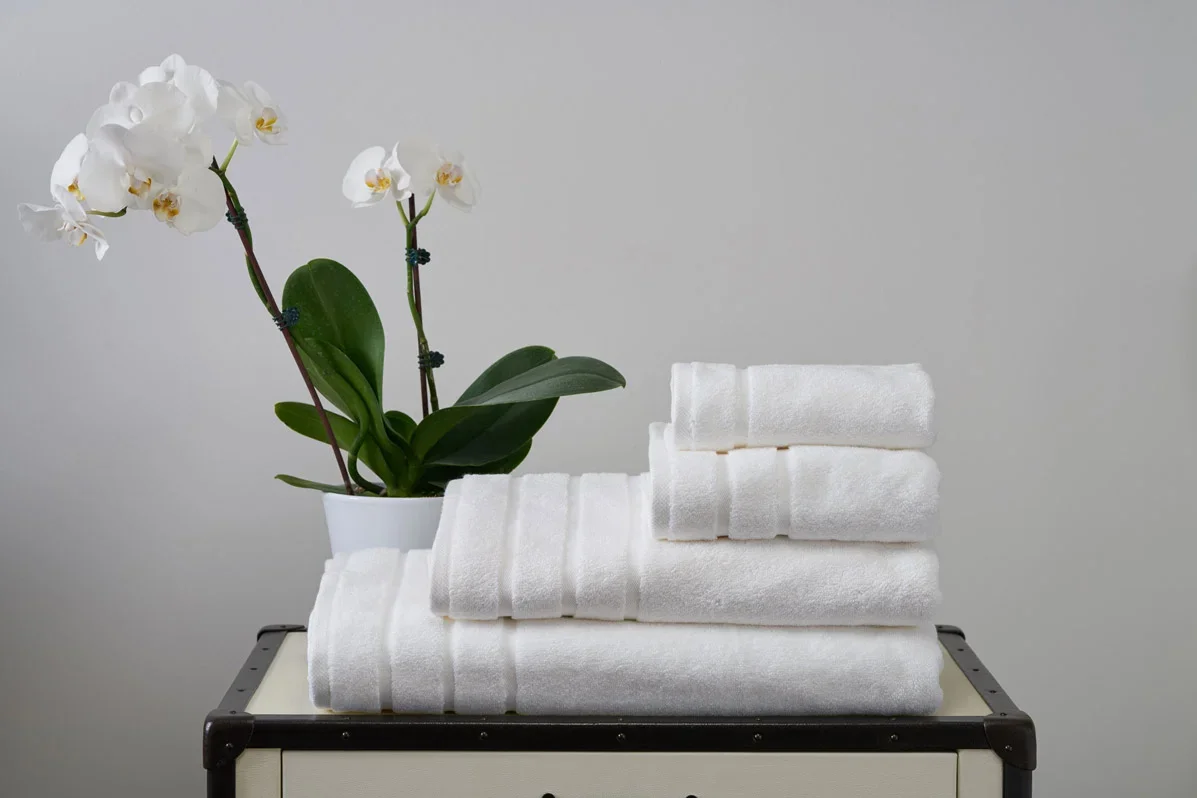
Villa : Towels
from $4.50

Villa terry Towels are plush, thick and absorbent. They are finished with a simple striped edge border and made in Turkey of 100% cotton in 700 gram weight. They are available as a wash cloth, hand towel, bath towel, bath sheet and bath mat. 

Available in white only.  

Towel sizes: 

Bath Mat 19" x 35"

Bath Sheet 35" x 66"

Bath Towel 27" x 54"

Hand Towel 16" x 30"

Wash Cloth 13" x 13"

 
Luxor Towels
from $3.40

Luxor terry Towels are plush and very absorbent. They are finished with a simple pique edge border and made in Turkey of 100% cotton in 600 gram weight. They are available as a wash cloth, hand towel, bath towel and bath sheet.

Available in white only.

Towel sizes:

Bath Sheet 35" x 66"

Bath Towel 27" x 54"

Hand Towel 16" x 30"

Wash Cloth 13" x 13"

3. Scented Linen Spray

Immerse yourself in a tranquil oasis of pure relaxation by delicately infusing your bed linens and towels with the captivating scents of linen sprays. Select from a range of calming aromas like soothing lavender, chamomile, or eucalyptus, each thoughtfully chosen to transport you to a state of deep unwinding.

4. Pillow Inserts

Invest in premium pillow inserts for your decorative pillows. High-quality inserts not only provide better support but also maintain their shape and loft, giving your bed a fuller and more luxurious appearance. You can purchase the very same luxurious pillows and duvet insert we supply to the finest luxury boutique hotels throughout the United States below.

RECOMMENDED INSERTS: 

PILLOWS and DUVET INSERTS
from $23.00

Now you can purchase the very same luxurious pillows and duvet insert we supply to the finest luxury boutique hotels throughout the United States. Duplicate the experience at home and treat yourself to a wonderful sleep experience. You can choose PrimaLoft® hypoallergenic down alternative, EnviroLoft® hypoallergenic down alternative or White Duck feather and down chamber pillow. The duvet insert offered is the EnviroLoft® hypoallergenic down alternative duvet.

Dimensions:

King Pillow 20” x 36”

Queen Pillow 20” x 30”

King Duvet Insert 104” x 90”

Queen Duvet Insert 90” x 90”

All pillows and duvet inserts are Easy Care: Machine Washable & Dryable


You can take your five-star home experience to new heights with luxurious linens and towels. By investing in high-quality materials, adding personal touches, and creating a spa-like atmosphere, you can transform your living space into a haven of comfort and relaxation.