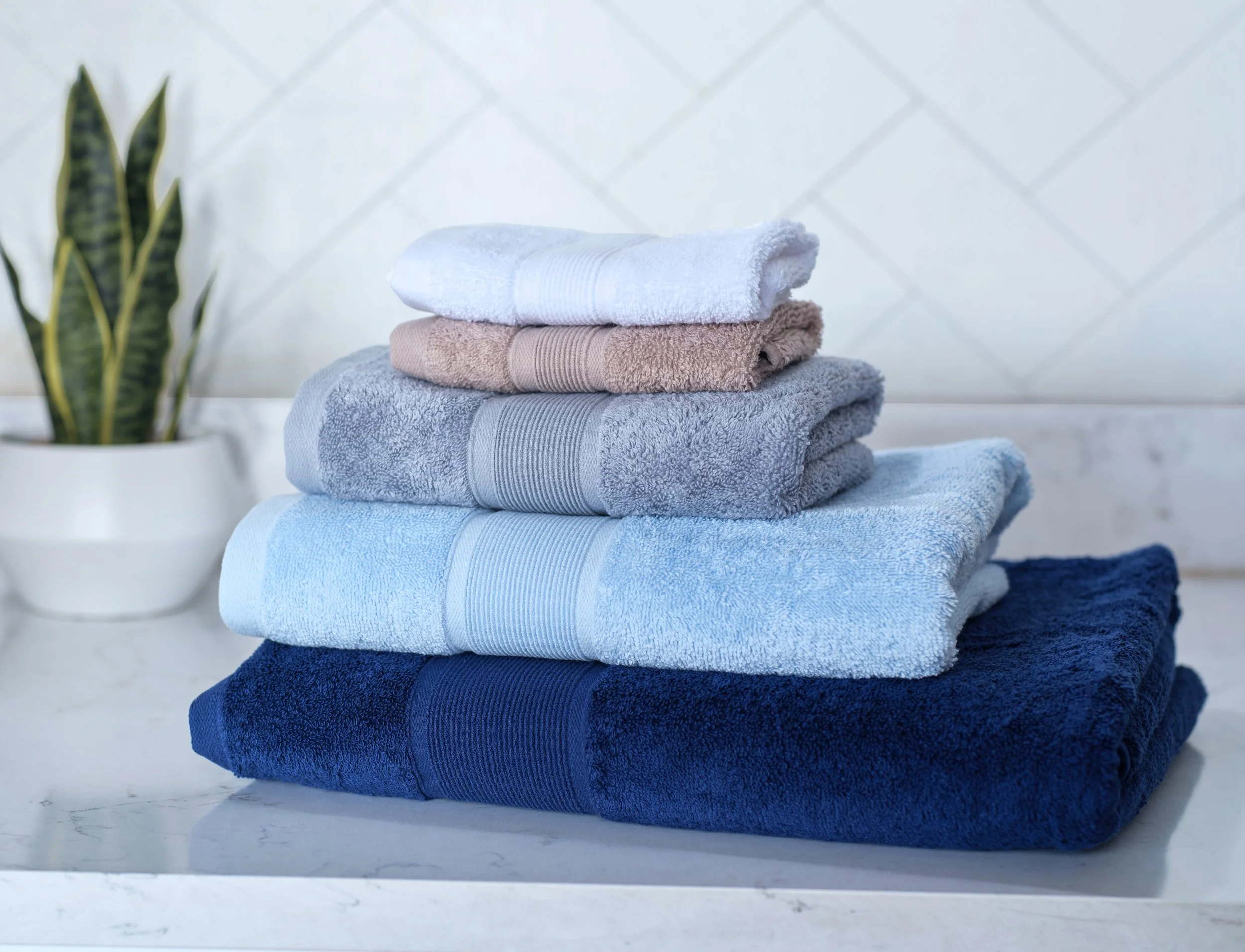
How to Prevent Towels From Feeling Stiff
MAURIZIO BUSSOLARI
Few things are as comforting as wrapping yourself in a soft towel after a bath or shower. But over time, even well-made towels can begin to feel rough, stiff, or less absorbent than they once did.
In most cases, this change is not caused by the towel itself. It usually comes down to the way towels are washed, rinsed, and dried. Detergent residue, fabric softener, hard water, and too much heat can all build up gradually and affect the feel of the fibers.
The good news is that towel stiffness is often preventable. A few thoughtful changes to your laundry routine can help preserve softness, improve absorbency, and keep bath linens feeling comfortable for longer.
Use Less Detergent
Using more detergent may seem like the best way to get towels thoroughly clean, but it can actually create the opposite result.
Towels are thick and highly absorbent, which means they can hold onto soap residue more easily than lighter fabrics. When too much detergent is used, it may not rinse away completely. Over time, that buildup settles into the fibers and can make towels feel heavy, coarse, and less absorbent.
Using the recommended amount of detergent is usually enough, and in many cases, slightly less works even better. A mild detergent can also help preserve the texture of fine bath linens without leaving behind unnecessary residue.
The goal is not to create more suds. It is to allow the towels to wash and rinse cleanly.
Be Careful With Fabric Softener
Fabric softener sounds like the obvious solution for towels that feel rough, but it can contribute to the problem over time.
Most fabric softeners work by coating the surface of the fibers. This may create a smoother feeling at first, but the coating can gradually build up and interfere with the cotton’s natural ability to absorb moisture.
As that residue accumulates, towels may begin to feel waxy, less fresh, or less effective after a shower. They may also take longer to dry because moisture is not moving through the fibers as easily.
For bath towels, simpler care is often more effective. Skipping fabric softener helps the cotton remain open, absorbent, and comfortable.
Avoid Overloading the Washing Machine
Towels need room to move freely during the wash cycle.
When the machine is packed too tightly, water and detergent cannot circulate properly. This makes it harder to remove body oils, soap, and detergent residue from the fabric. It also limits the rinse cycle, which is essential for keeping towels from feeling stiff.
Washing towels in smaller loads allows each piece to move through the water more easily. This supports a more thorough clean and helps prevent residue from becoming trapped in the fibers.
It may mean doing an extra load, but the difference in softness and freshness is often noticeable.
Consider the Effect of Hard Water
Water quality can have a significant impact on how towels feel after washing.
Hard water contains higher levels of minerals such as calcium and magnesium. These minerals can collect in the fabric over time, leaving towels feeling rough, dull, or less absorbent.
If your towels become stiff even when you are using the correct amount of detergent, hard water may be part of the problem. An occasional deep-cleaning wash can help remove mineral buildup and restore a softer texture.
It may also help to choose a detergent formulated for hard water or use a water-softening laundry product when appropriate. The right approach will depend on the water in your home and the care instructions for your towels.
Shake Towels Before Drying
One of the easiest ways to improve the feel of towels is also one of the simplest.
Before placing them in the dryer, give each towel a firm shake. This helps loosen the loops and fibers that may have become compressed during washing.
The movement allows more air to circulate through the fabric while it dries, which can create a softer, fuller texture. It also helps prevent the towel from drying in a tightly matted shape.
This small step takes only a few seconds but can make a meaningful difference, especially with thicker towels.
Use Moderate Heat
High heat may dry towels quickly, but it can also weaken cotton fibers and leave them feeling brittle.
Repeated exposure to excessive temperatures can gradually flatten the loops, dry out the fibers, and make the fabric feel less comfortable against the skin. Overdrying can be especially damaging because the towel continues tumbling after the moisture is already gone.
A moderate heat setting is usually gentler and still effective. Removing towels as soon as they are dry also helps prevent unnecessary wear.
The towel should be completely dry before it is folded or stored, but it does not need to remain in the dryer longer than necessary.
Do Not Let Damp Towels Sit
The way towels are treated between uses matters too.
Leaving a damp towel crumpled on the floor, in a laundry basket, or hanging without enough airflow can cause the fibers to remain compressed. It can also create a musty smell that becomes difficult to remove with regular washing.
After use, towels should be spread out fully so they can dry as quickly as possible. A wide towel bar generally allows more airflow than a small hook, especially for heavier towels.
Allowing towels to dry properly helps preserve freshness and reduces the need for harsher wash cycles later.
Wash Towels Separately When Possible
Washing towels with clothing can create unnecessary friction.
Zippers, buttons, and rougher fabrics may catch on towel loops or flatten the pile during the wash and dry cycles. Towels can also leave lint on clothing, while certain garments may transfer oils or residue back onto the towels.
Washing bath linens together creates a more consistent load and allows you to use settings that are appropriate for the fabric.
It also helps towels rinse and dry more evenly, which supports a softer finish.
Refresh Towels When Buildup Appears
Even with thoughtful care, towels may occasionally need a deeper refresh.
If they begin to feel coated, stiff, or less absorbent, an extra rinse cycle can help remove lingering detergent. In some cases, a maintenance wash designed to address mineral or product buildup may also be useful, as long as it is compatible with the towel’s care instructions.
This should not be necessary after every wash. It is better used occasionally when towels no longer feel or perform the way they should.
Regular care is still the most effective way to prevent buildup in the first place.
Fold and Store Towels Only When Fully Dry
Towels should always be completely dry before they are placed in a linen closet.
Even a small amount of remaining moisture can create a stale smell and cause the fibers to feel less fresh. Storing towels too tightly can also compress the pile and reduce the soft, airy texture people enjoy.
Allow some breathing room between stacks and avoid overcrowding shelves. A well-organized linen closet helps towels remain fresh and ready for use.
Rotating towels regularly also prevents the same pieces from being washed and worn more frequently than the rest of the collection.
Softness Comes From Consistent Care
Keeping towels soft is less about adding products and more about avoiding buildup and unnecessary stress on the fibers.
Using the right amount of detergent, skipping fabric softener, giving towels enough room in the washer, and drying them with moderate heat can all help maintain their original texture. Small habits, repeated over time, often make the biggest difference.